The Unsung Hero of Your Outdoor Adventures: Why You Need Hitting Boots
Imagine cresting a ridge, the wind catching your breath as a breathtaking vista unfolds. Now imagine doing it in wet socks and sore feet. That's the difference a good pair of hiking boots makes. They're not just footwear; they're your foundation for exploring the wild safely and comfortably. Too often underestimated, the right hiking boots transform challenging trails into rewarding journeys.
Safety and Stability on Rocky Terrain The primary role of hiking boots is protective stability. Unlike flimsy sneakers, they offer crucial ankle support, especially on uneven ground or when carrying a pack. This significantly reduces the risk of painful twists and sprains. Aggressive lug soles provide unmatched grip on loose dirt, muddy patches, slippery rocks, and steep inclines, keeping you firmly planted where it counts. Rugged construction protects your feet from sharp rocks, roots, and unexpected obstacles hiding under leaves.
Shielding You From the Elements Weather changes quickly outdoors. Quality hiking boots offer essential waterproof protection. Technologies like Gore-Tex create a barrier against rain, puddles, and dew-soaked grass, keeping your feet dry and warm. Breathable membranes also allow moisture from sweat to escape, reducing blister risk. This weather resistance ensures your comfort isn't dictated by damp conditions, extending your hiking season.
Durability That Takes a Beating Trails demand toughness. Hiking boots are built to withstand abrasion from rocks, branches, and constant friction. Sturdy materials like full-grain leather or synthetic uppers resist tears and scuffs. Reinforced toes and heels take the brunt of impacts. This durability means your boots won't let you down miles from the trailhead – they're an investment in countless adventures.
Long-Distance Comfort for Demanding Journeys Support extends beyond ankles. Well-engineered midsoles absorb shock from repeatedly striking hard surfaces, reducing fatigue on knees and joints. Supportive footbeds cradle arches, preventing strain during long ascents or descents. Properly fitting hiking boots, once broken in, provide a level of all-day support sneakers simply cannot match, making 10-mile hikes feel far more manageable.
Choosing Your Perfect Pair Finding the right hiking boots is personal. Consider:
- Terrain: Lightweight trail runners (technically a type of boot) for smooth paths vs. sturdy full-leather boots for rugged backpacking.
- Ankle Height: High cuffs for maximum support on technical terrain; mid or low for flexibility on easier trails.
- Waterproofing: Essential for wet/cold environments; breathable non-waterproof versions are lighter for dry/hot climates.
Don't let sore, wet, or unstable feet cut your adventures short. Investing in quality hiking boots isn't about fashion (though good-looking options exist!); it's about empowering safe, comfortable, and truly enjoyable exploration of the great outdoors. Give your feet the foundation they deserve.
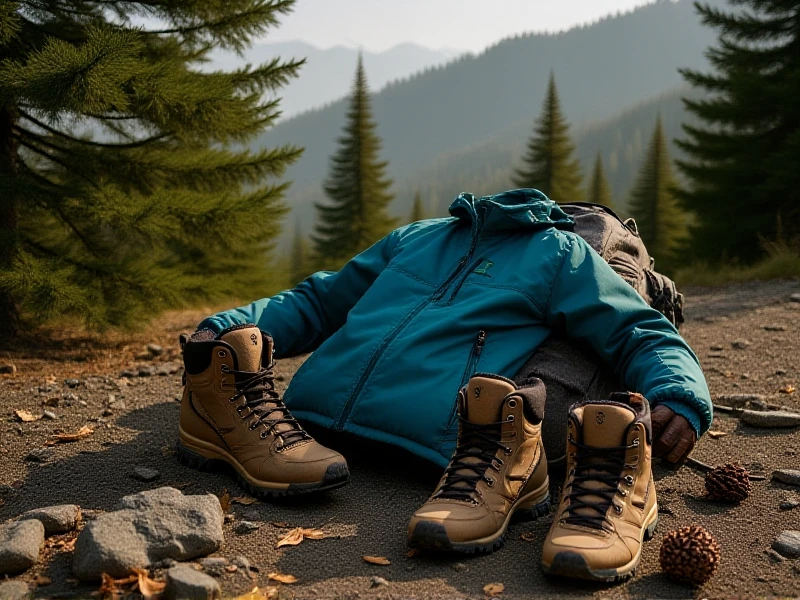
(Photo idea: A close-up shot of sturdy hiking boots covered in a light dusting of trail dirt, resting on a rock overlooking a mountain valley.)