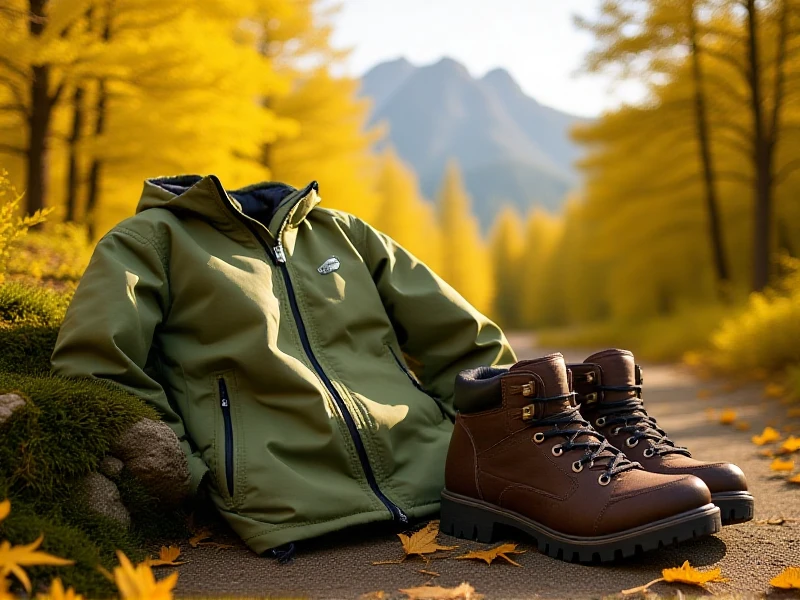
How to Choose the Best Hitting Boots for Comfortable Adventures
Stepping onto the trail demands the right footwear. Forget soggy socks, painful blisters, or unstable slips. Your journey begins from the ground up, starting with a pair of genuinely exceptional hiking boots. Understanding what makes a great boot is key, whether you're tackling challenging mountain paths or enjoying scenic woodland walks. Let's explore the crucial factors so your feet stay comfortable and supported mile after mile.
Comfort Reigns Supreme
Above all, hiking boots must be comfortable right from the start. While some boots require a break-in period, they shouldn't cause immediate pain or pressure points. Key comfort features include:
- Fit: Your heel shouldn't slide excessively; toes need room to wiggle without hitting the front, especially on descents. Getting properly measured at an outdoor store is invaluable.
- Cushioning: Quality midsoles absorb shock over rough terrain, reducing foot fatigue. Look for durable materials like EVA or PU.
- Support: Ankle support is vital for uneven trails. Mid-cut boots generally offer the best balance of support and flexibility for most hikers. Consider high-cut for heavy loads or extremely rugged terrain.
Tackling the Elements
Mother Nature loves surprises. Reliable hiking boots provide essential protection:
- Waterproofing: Membranes like GORE-TEX® or proprietary brands create a barrier against rain, puddles, and morning dew. Breathability is crucial too – preventing your feet from overheating and sweating internally.
- Traction: The sole (outsole) is fundamental. Look for deep, multi-directional lugs made from sticky rubber compounds (like Vibram®) for grip on mud, rock, wet roots, and loose gravel. The tread pattern should shed debris.
Built Tough: Materials Matter
Boots endure significant wear. Pay attention to construction:
- Uppers: Full-grain leather is highly durable and naturally water-resistant. Nubuck/suede leather offers similar resilience but requires treatment. Synthetic fabrics (ripstop nylon, polyester blends) are lighter, dry faster, and often more affordable. Many boots combine materials (e.g., leather uppers with synthetic panels).
- Protection: Toe caps and reinforced heel counters shield vulnerable areas from rocks and stumbles.
Why Quality Hiking Boots are Your Trail Asset
Investing in well-fitting, feature-rich hiking boots isn't just about comfort; it's about safety and performance. They significantly enhance stability on uneven surfaces, mitigating the risk of slips and ankle rolls. Robust construction withstands constant abrasion from roots, rocks, and dirt. Most importantly, by eliminating sources of irritation and pain (blisters, hot spots), quality boots let you focus entirely on the breathtaking views and the sheer joy of the hike itself.
Find Your Perfect Pair
Don't compromise on your foundation. Prioritize comfort, protection for the conditions you'll face, robust construction, and dependable traction. Research brands and models, read verified reviews, and most importantly, try several pairs on with the socks you'll hike in. Walk in them around the store or at home. Taking the time to find your ideal hiking boots ensures your next outdoor adventure starts and ends on the right foot.